
Sidia is a education Platform website.








Conservation OF Natural Resources | 2026C
This course discusses 1) The scope of conservation which includes: Definition, objectives, benefits and efforts to preserve natural resources and the environment; 2) Environmental ethics




Parasitologi | 2024G
This course discusses all parasitic organisms, specifically studying parasitic organisms that are classified as parasitic animals, including: protozoa, helminths, arthropods, insects and fungi, both zoonotic



Environmental Microbiology | 2024G
This course examines the application of microbiological concepts to the environment which includes microbiological analysis of environmental quality, monitoring environmental quality based on microbial diversity,


Environmental Microbiology | 2024F
This course examines the application of microbiological concepts to the environment which includes microbiological analysis of environmental quality, monitoring environmental quality based on microbial diversity,

Mikologi | 2024G
This course examines the concept of mycology (yeasts and molds), which includes diversity, textonomy, reproduction, ecology, role and cultivation as well as practicing research related

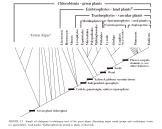
Taxonomy Numerical | 2024F
Study the development of taxonomy, taxonomic evidence and character selection in solving plant diversity problems using numerical methods which include measuring the degree of similarity,


Copyright © 2026 Sinau Digital UNESA All Rights Reserved